

Hey there! As a supplier of Core Drill Bits, I've seen firsthand how different factors can affect the performance of these tools. One of the most crucial factors is drill speed. In this blog, I'll dive into what effect drill speed has on core drill bit performance and why it matters to you.
Understanding Core Drill Bits
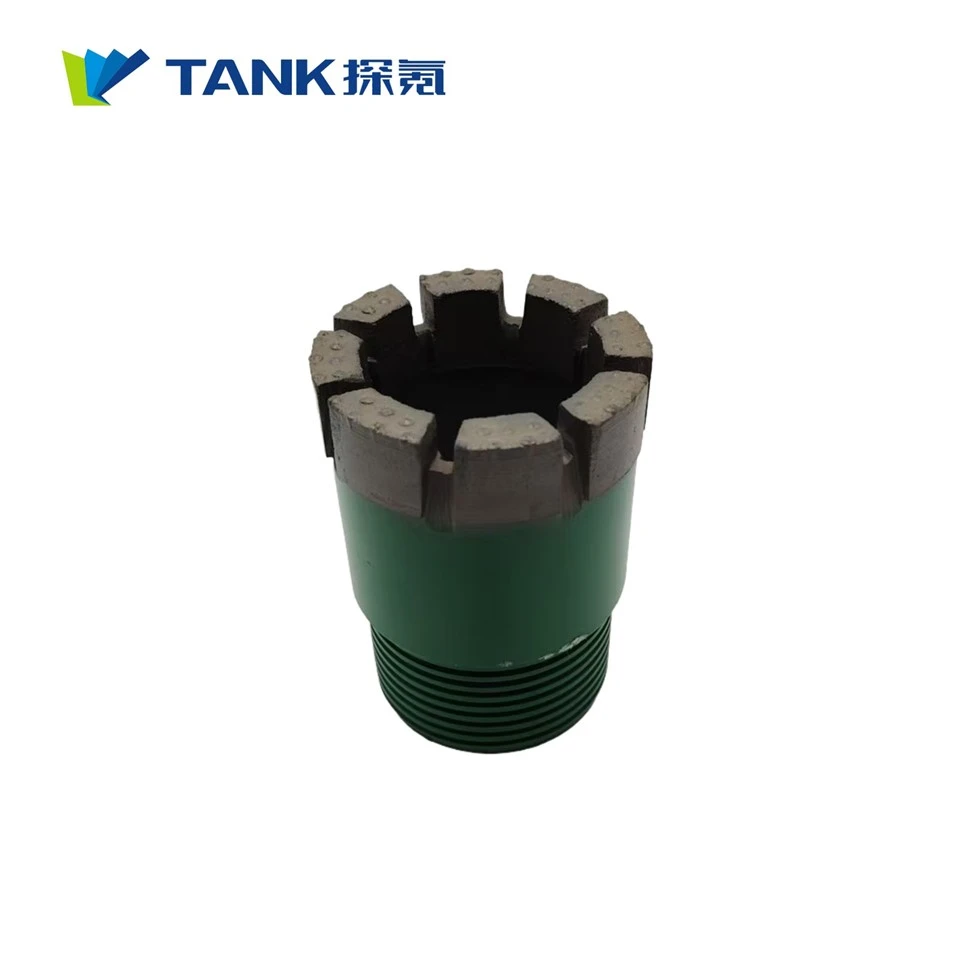
Before we get into the nitty - gritty of drill speed, let's quickly go over what core drill bits are. Core drill bits are used to cut circular holes in various materials like concrete, stone, and metal. They're commonly used in construction, mining, and geological prospecting. At our company, we offer a wide range of core drill bits, including Spiral Double Core Bit, Double Pipe Hot Press Core Bit, and PDC Coring Bits.
How Drill Speed Affects Cutting Efficiency
The drill speed, measured in revolutions per minute (RPM), has a direct impact on the cutting efficiency of a core drill bit. When you increase the drill speed, the bit can cut through the material faster. This is because a higher RPM means that the cutting edges of the bit are making more contact with the material in a given time.
For example, if you're using a core drill bit to cut through soft concrete, a higher drill speed can significantly reduce the time it takes to complete the hole. You'll be able to move on to the next job quicker, which is great for productivity. However, it's important to note that there's a limit to how much you can increase the speed. If you go too fast, the bit may start to overheat, which can lead to premature wear and tear.
Heat Generation and Wear
Drill speed also affects the amount of heat generated during the cutting process. As the drill bit rotates at high speeds, friction is created between the bit and the material. This friction generates heat. If the drill speed is too high, the heat can build up quickly, causing the bit to lose its hardness and sharpness.
When a core drill bit overheats, the cutting edges can start to melt or become dull. This not only reduces the cutting efficiency but also shortens the lifespan of the bit. You'll find yourself having to replace the bit more frequently, which can be costly in the long run.
On the other hand, if the drill speed is too low, the bit may not be able to cut through the material effectively. The bit will have to work harder, which can also generate heat. In this case, the heat is generated due to the inefficiency of the cutting process rather than excessive speed.
Chip Removal
Another important aspect affected by drill speed is chip removal. As the core drill bit cuts through the material, chips are produced. These chips need to be removed from the cutting area to prevent them from interfering with the cutting process.
A proper drill speed helps in efficient chip removal. At an optimal speed, the chips are ejected from the hole smoothly. If the speed is too low, the chips may not be ejected properly and can accumulate in the hole. This can cause the bit to bind, leading to increased wear and potential damage to the bit.
Conversely, if the speed is too high, the chips may be ejected too forcefully, which can also cause problems. For instance, in some cases, the high - speed ejection of chips can cause damage to the surrounding area or even pose a safety hazard.
Material Considerations
The type of material you're drilling into also plays a role in determining the ideal drill speed. Different materials have different hardness and density, which means they require different drill speeds for optimal performance.
For soft materials like wood or plastic, a higher drill speed can be used. These materials are easier to cut through, and the risk of overheating the bit is relatively low. You can take advantage of the higher speed to get the job done quickly.
When drilling into hard materials such as granite or steel, a lower drill speed is usually recommended. Hard materials require more force to cut through, and a high - speed drill can cause excessive wear on the bit. By using a lower speed, you can ensure that the bit lasts longer and maintains its cutting performance.
Finding the Optimal Drill Speed
So, how do you find the optimal drill speed for your core drill bit? Well, it's a bit of a balancing act. You need to consider the type of material, the size of the bit, and the specific application.
Most core drill bit manufacturers provide guidelines on the recommended drill speeds for their products. These guidelines are based on extensive testing and can be a great starting point. You can also do some trial and error on a small, inconspicuous area to see what speed works best for your particular situation.

Impact on Cost - Effectiveness
The drill speed you choose can have a significant impact on the cost - effectiveness of using core drill bits. If you use the right drill speed, you can maximize the lifespan of the bit, reduce the frequency of replacements, and increase productivity. This means that you'll save money in the long run.
On the other hand, if you use an incorrect drill speed, you may end up spending more on bit replacements and losing valuable time due to inefficient cutting. So, taking the time to understand and set the right drill speed is definitely worth it.
Conclusion
In conclusion, drill speed is a critical factor that affects the performance of core drill bits in many ways. It impacts cutting efficiency, heat generation, chip removal, and overall cost - effectiveness. As a supplier of core drill bits, I highly recommend that you pay close attention to the drill speed when using our products.
If you're looking for high - quality core drill bits and need more information on the best drill speeds for your applications, don't hesitate to reach out. We're here to help you make the most of your drilling projects. Whether you're a professional contractor or a DIY enthusiast, we've got the right core drill bit for you. Let's work together to ensure your drilling jobs are completed efficiently and cost - effectively.
References
- "Drilling Technology Handbook" by John Doe
- "Core Drilling: Principles and Practices" by Jane Smith