


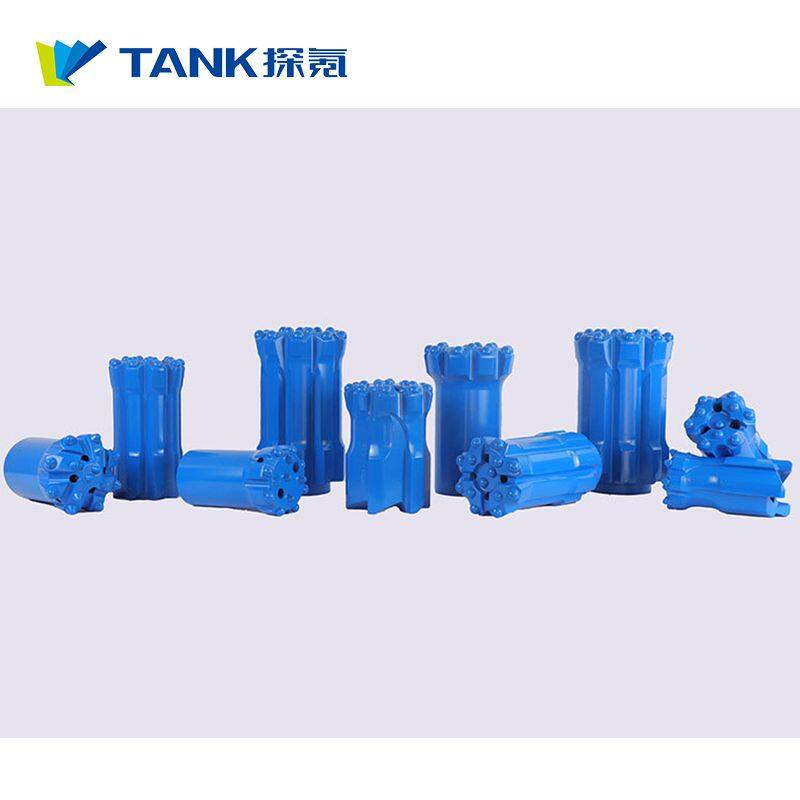
Products Details
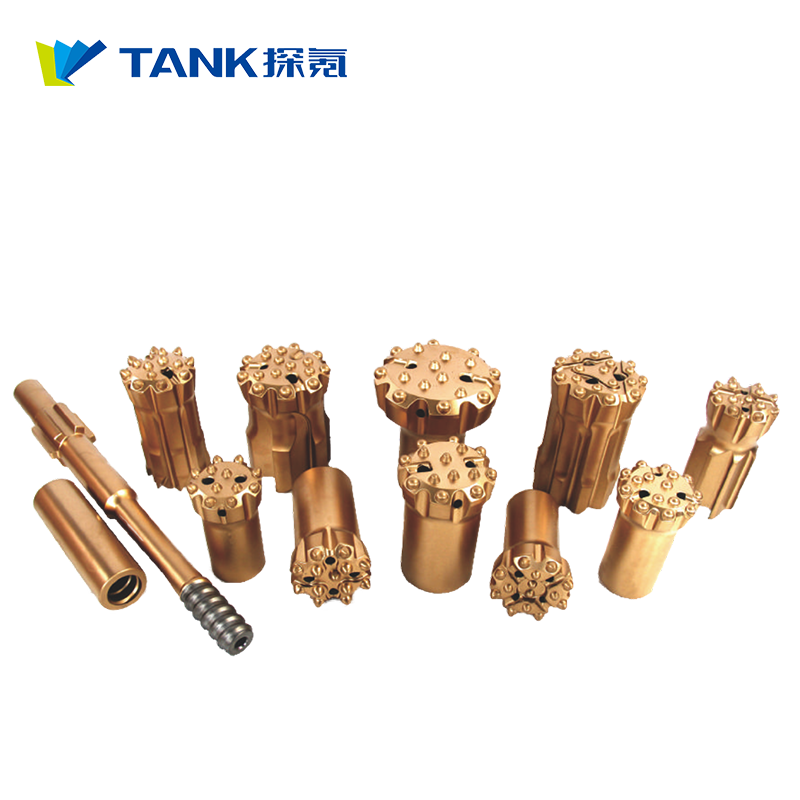
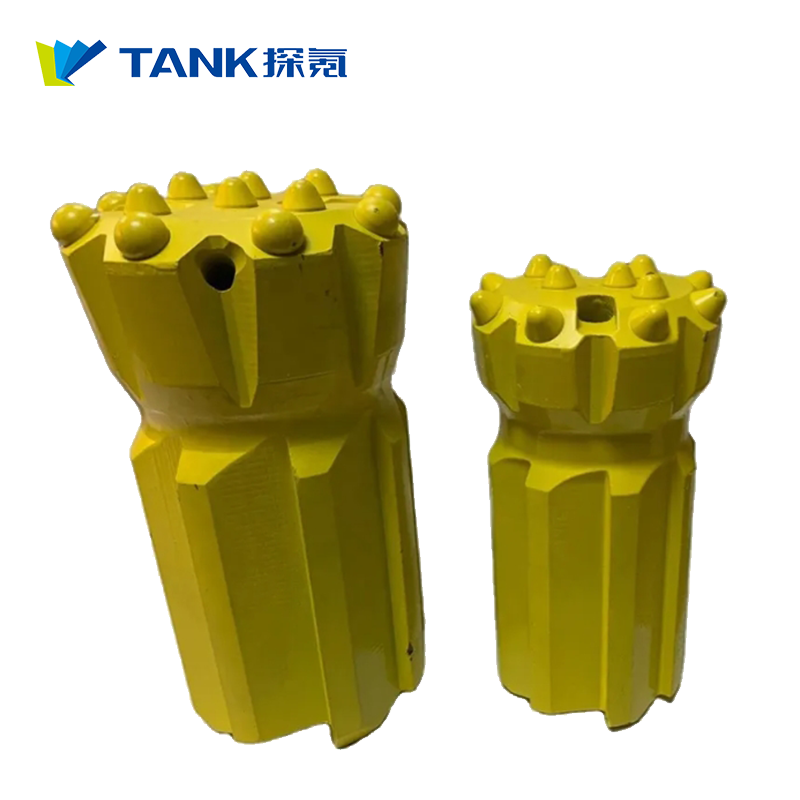
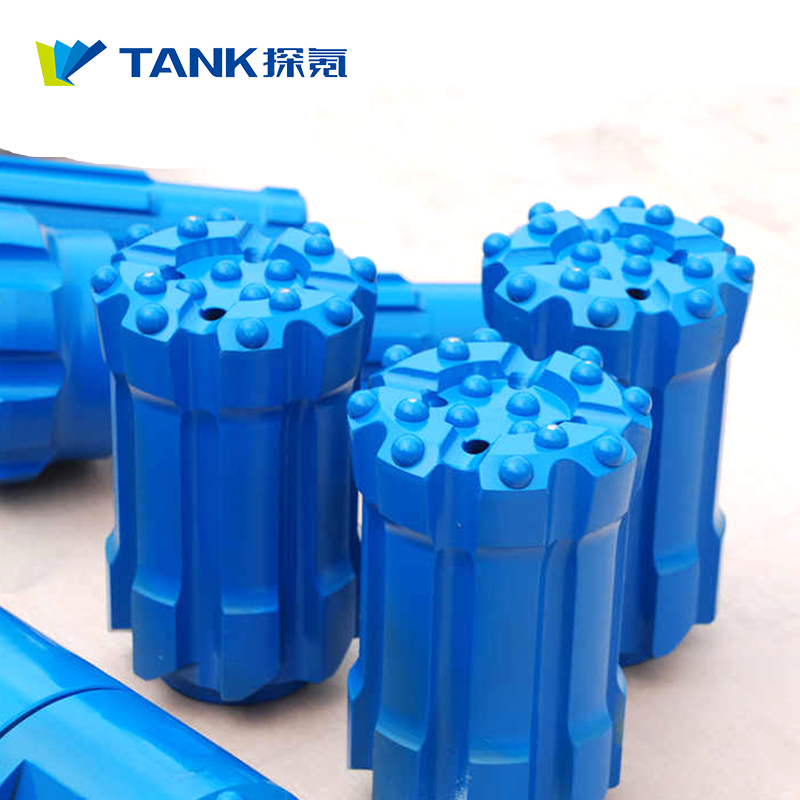
Retrac Button Bit is designed for broken, loose, and fractured ground where standard bits tend to bury, jam, or pull off line. The retrac skirt helps keep the hole stable and makes string retrieval easier during rod changes. When your priority is fewer stuck incidents and better hole straightness in messy ground, this is the bit style contractors reach for first.

Retrac Button Bit built for unstable ground
A retrac button bit is not "just another top hammer bit." Its skirt profile is engineered for one purpose: staying functional when ground conditions are unpredictable. In fractured rock, loose zones, and heavily jointed formations, a conventional skirt can dig in, trap cuttings, or wedge into broken edges. The result is familiar to every driller-sticking, buried bits, bent rods, and wasted time. An Anti-Stuck Retrac Button Bit uses a retrac skirt to reduce that risk and keep the drill string moving.
What makes a retrac skirt different
The retrac skirt provides extra guidance and clearance around the bit body. In practical terms, it helps the bit travel back through broken ground more smoothly during pullback and rod handling. It also supports better collaring and steadier tracking at the start of the hole-particularly useful when the face is uneven or the rock is mixed with softer seams. When paired with the right face design (flat or drop-center) and the right button geometry (spherical for wear, ballistic for speed), the bit becomes a "problem-solver" rather than a consumable.
Material selection: steel body + carbide that matches the job
A retrac bit works only if the body and buttons wear in a controlled way. TANK DRILLING uses high-strength alloy steel for the body and selects carbide grades based on the drilling environment. Abrasive conditions demand buttons that resist micro-chipping and maintain a stable cutting profile. In medium-hard to hard rock with less abrasiveness, a more aggressive design can be used to push penetration. The point is simple: button material and shape are not marketing labels-they determine how often you regrind, how long the gauge holds, and whether your bit survives the bad sections.
Performance advantages that matter on site
A retrac bit is chosen for outcomes you can measure in a shift:
Lower stuck-bit probability in broken ground, helping reduce downtime and lost tools.
More consistent hole straightness, especially during collaring and in mixed strata.
Cleaner drilling behavior, because clearance helps cuttings evacuation and reduces regrinding.
Better retrieval and rod handling, which matters when crews are changing rods frequently.
Real application case (example from typical field use)

A tunneling contractor drilling blast holes in a fractured zone often faces short "collapse-prone" sections near the collar. With a standard skirt, the bit can bury while retracting for rod changes. Switching to a retrac button bit configuration reduced jamming incidents and improved drilling continuity across the same face pattern. The practical benefit was fewer interruptions and more predictable drilling progress-exactly what drill-and-blast cycles depend on.
Manufacturing process: where reliability is built
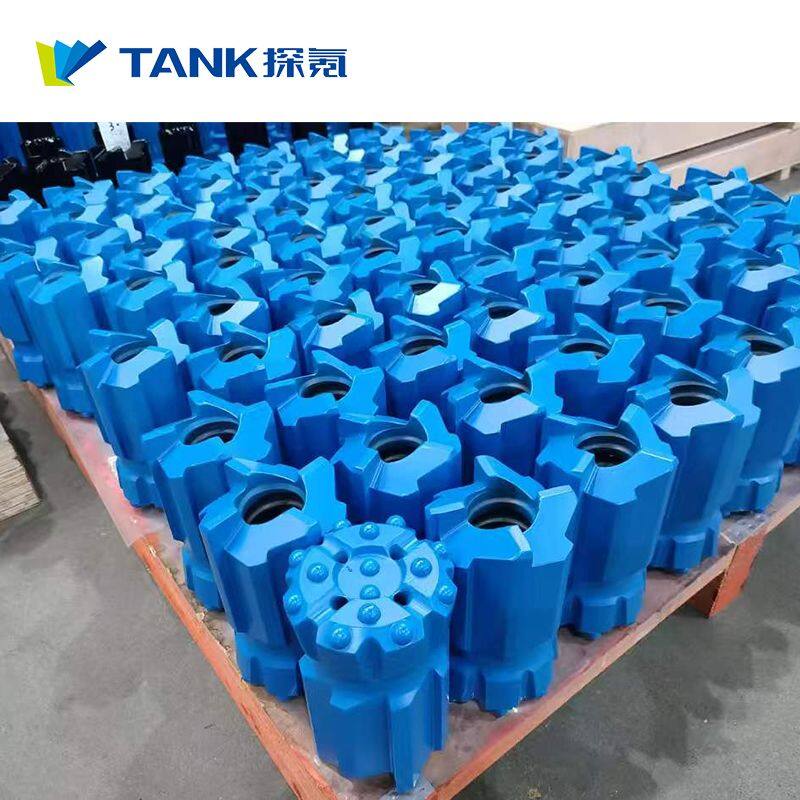
A retrac bit has to survive high-frequency impact and torque. That starts with forging and machining control. The body is formed from alloy steel, then CNC machined to maintain concentricity and thread accuracy-critical for energy transfer and stable rotation. After machining, the bit body is heat-treated to reach a balance between hardness and toughness. Buttons are inserted using controlled processes (commonly press-fitting and/or brazing methods depending on design), and each button seat is checked for fit and alignment. The retrac skirt geometry is also verified, because small inconsistencies here can change how the bit behaves during pullback.
Quality inspection: not a box-ticking routine
Quality control focuses on what fails in the field: threads, button retention, and gauge life. Typical checks include:
Thread gauge verification and visual inspection for micro-cracks
Dimensional checks for skirt profile and critical diameters
Button height consistency and layout accuracy
Hardness validation after heat treatment
Final inspection for surface defects and seating quality
This process ensures the bit you receive drills like the one you tested-not "almost the same."
How it compares to a standard threaded button bit
A standard bit can be excellent in stable formations, but it is less forgiving in broken ground. Retrac bits trade a little "simplicity" for operational stability. If you are seeing stuck incidents, hole deviation near collaring, or constant reaming due to collapsed edges, a retrac design often pays back quickly-because your drill time is spent drilling, not recovering tools.
Operating tips (to extend life and avoid early damage)
Keep flushing strong; poor cuttings removal increases regrinding and heat.
Match bit face design to formation: drop-center for straighter holes, flat face for tough rock.
Avoid excessive feed in fractured ground; let the bit cut rather than wedge.
Watch for early signs of button chipping; adjust rotation speed and feed accordingly.
Service, delivery, and customization
TANK DRILLING supports common thread systems and can customize retrac bits by: face design, button shape, carbide grade, and skirt style. Provide your rock description, hole diameter, and rig model, and we can recommend a configuration that balances penetration and wear life. Packaging and logistics are handled for export delivery, with technical support for selection and field feedback.
Company capability behind the product
Our drilling tools are manufactured with controlled machining and heat treatment processes, supported by quality management systems and field-driven product iteration. A dedicated team handles bit selection advice, thread matching, and after-sales feedback-because a retrac bit is chosen when conditions are difficult, not when they are easy.


FAQ (EN)
Q: When should I choose a retrac button bit over a standard bit?
A: Choose retrac when ground is broken, loose, or prone to bit sticking-especially near collaring.
Q: Does retrac always drill faster?
A: Not necessarily. Retrac is mainly about stability and retrieval. Speed comes from the right button and face design for your formation.
Q: Which button shape is best for abrasive rock?
A: Spherical buttons typically handle abrasion better and reduce chipping.
Q: Can you match threads like R32, T38, T45, T51, GT60?
A: Yes, common thread systems can be supplied, and cross-thread requests can be discussed.
Q: What information do you need to recommend a retrac design?
A: Formation hardness/abrasiveness, hole diameter, rig model, and your current bit pain points.
Q: How do I reduce stuck incidents besides changing bits?
A: Improve flushing, adjust feed/rotation, and keep the drill string aligned-retrac helps, but operation matters too.


