


Product Introduction
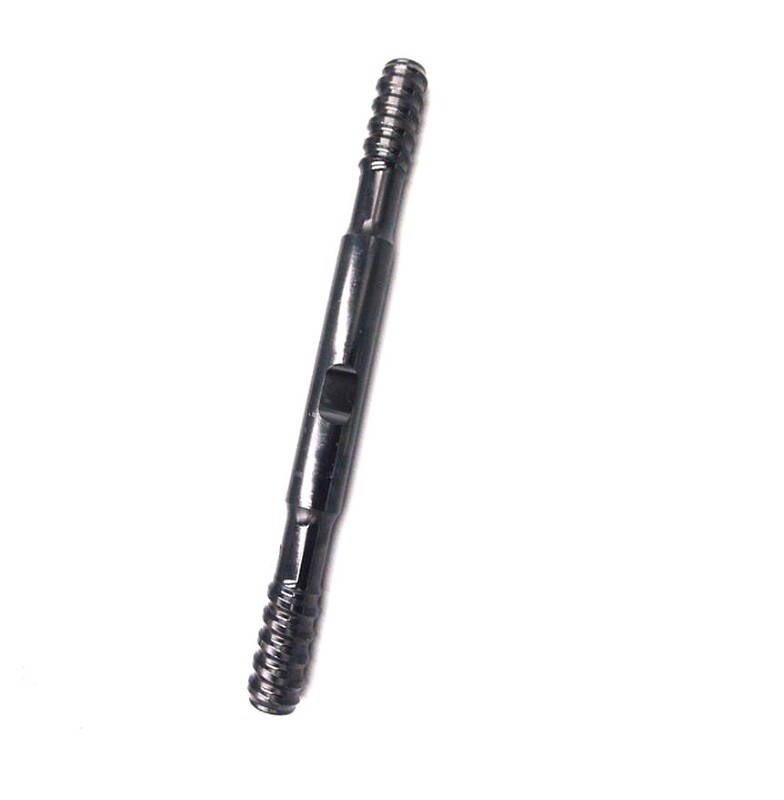
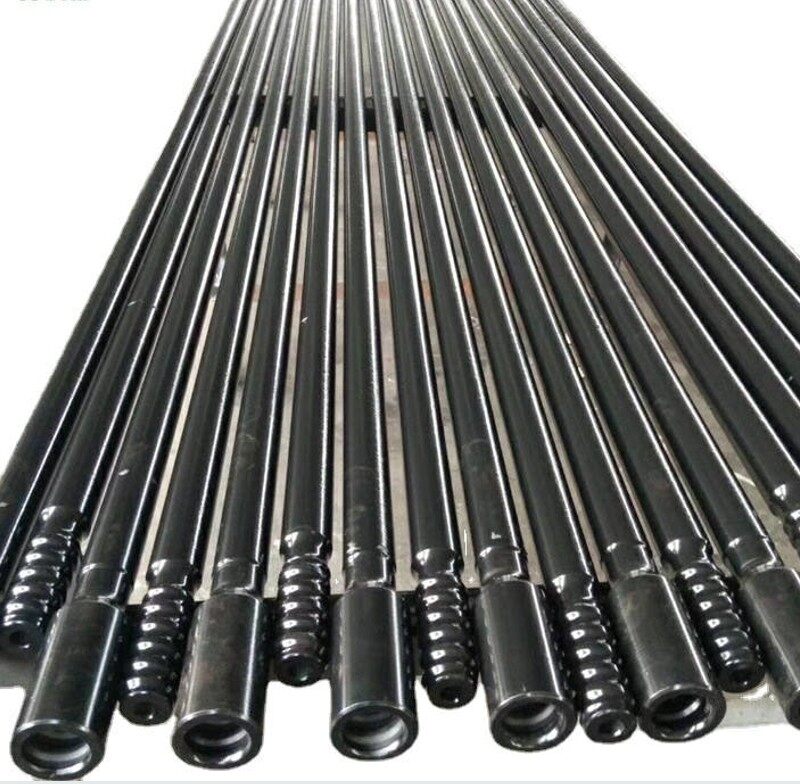
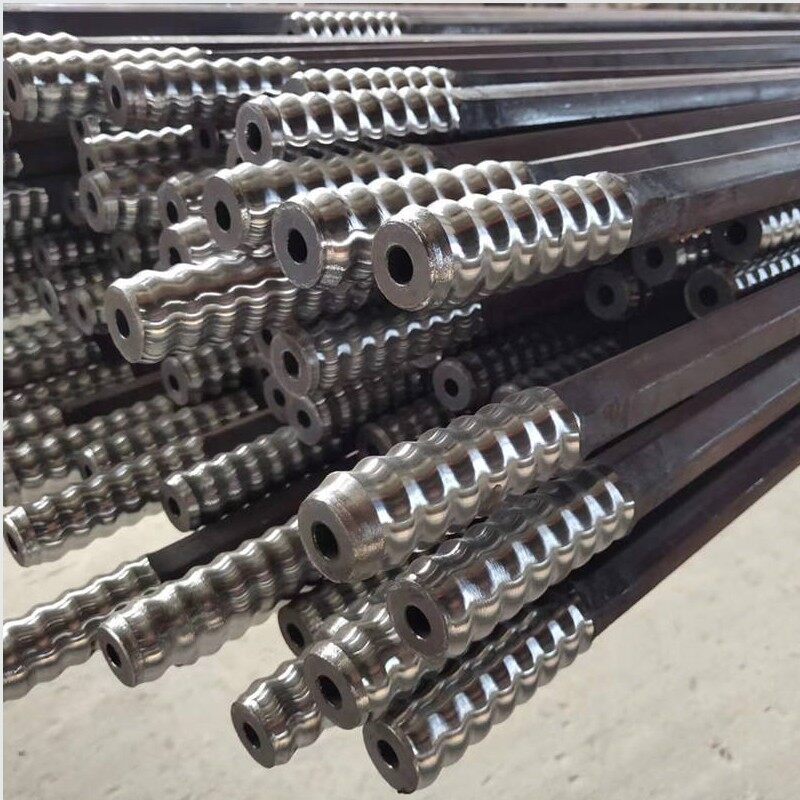
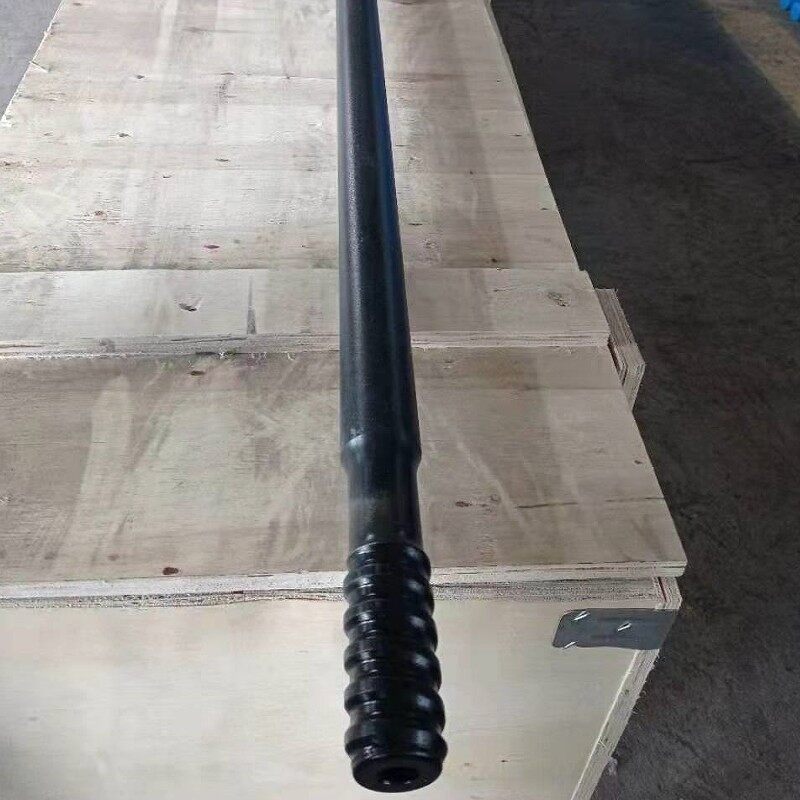
Rugged Underground Drifting Drill Rods are built for high-frequency percussion in confined headings, where rods face constant bending load, vibration, and fast rod changes. Designed in hex or round profiles and offered in MM or MF (speed rod) ends, they help keep the drill string stable and the holes straighter. For tunneling rounds and bolting holes, reliability at the threads matters as much as strength in the steel.

Why underground rods fail differently than surface rods
Underground drilling punishes consumables in a unique way. In a tunnel face or drift, operators work with limited space, frequent collaring, irregular angles, and constant rod handling. A rod that performs fine on a surface bench can fail early underground-usually at the threads, the transition zone (stress concentration), or through gradual bending that ruins hole straightness. That is why Rugged Underground Drifting Drill Rods focus on three priorities: fatigue resistance, thread reliability, and stable alignment.
What these rods actually transmit
In a top hammer system, the rod is not just "connected steel." It is a transmission line. Each blow from the rock drill travels through the shank adapter, through the rod string, and finally into the bit. At the same time, the rod must carry rotation torque and feed force, while flushing air/water removes cuttings. Any weakness-poor concentricity, worn threads, or surface damage-shows up as vibration, energy loss, and uneven bit wear. Underground, that translates into slower rounds and more downtime.
Profiles and end types: choosing the right rod behavior
Underground rods commonly appear in hexagonal and round profiles. Hex rods are valued for stiffness and good flushing behavior in drifting work. Round rods are often chosen for situations requiring cleaner alignment and longer-hole accuracy when paired with MF ends.
End types matter just as much:
MM (male-male) rods are extension-style and rely on coupling sleeves. They are versatile for building depth, and crews know them well.
MF (male-female, "speed rod") designs reduce the number of separate couplings in the string and improve alignment-especially for the first rod where straightness is set. Many crews use MF as the starter rod to reduce deviation and speed up handling.
Material and surface hardening: durability without brittleness
A strong rod must resist wear at the surface and fatigue in the core. Many high-performance rods use alloy steels that balance toughness and hardenability, then apply controlled heat treatment to improve strength. Surface hardening (such as carburizing) creates a wear-resistant layer that protects against abrasion and thread damage while keeping the core tough enough to absorb impacts.
In practical terms, this helps reduce:
early thread deformation during make-up/break-out
galling and seizure under high torque
surface scarring that becomes crack initiation points
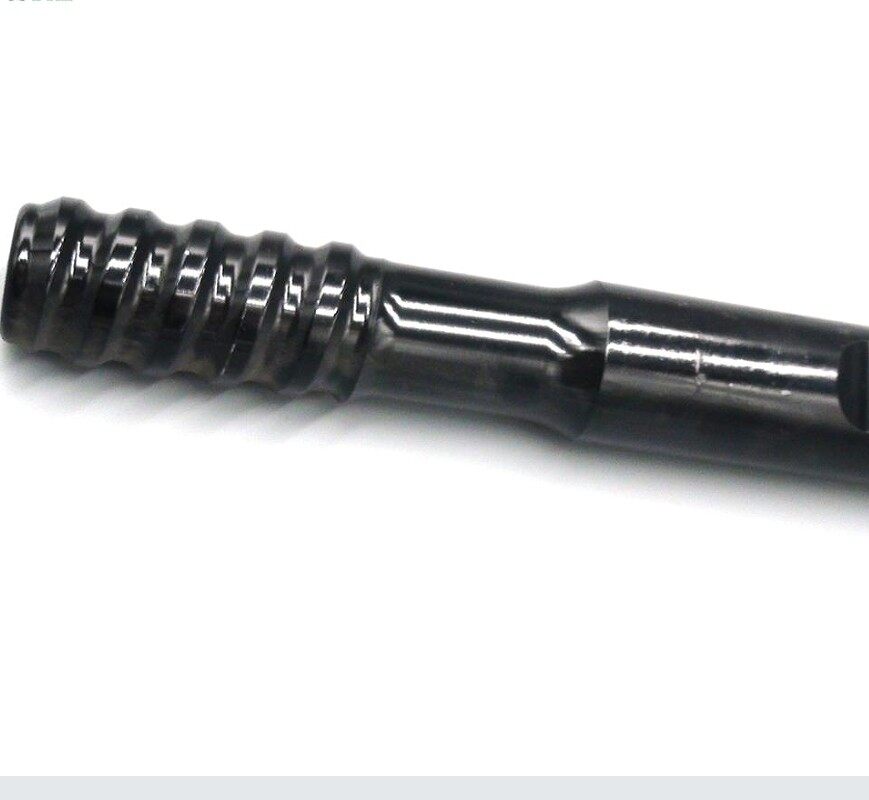
Thread integrity: the real battlefield
Underground crews often judge rod quality by one thing: how long the threads stay "healthy." Thread wear increases play in the string, and play becomes vibration. Vibration then chips buttons, accelerates skirt wear on bits, and forces operators to reduce feed to keep control.
A durable thread interface comes down to:
accurate machining (tight tolerances and concentricity)
consistent heat treatment so the thread does not soften early
controlled transition geometry so stress does not concentrate at the thread end
This is why the thread-to-body transition zone is treated as a critical design area, not an afterthought.
Manufacturing process: built for repeatability
Consistency matters as much as peak strength. A typical process includes: forging or forming, CNC machining for straightness and thread accuracy, heat treatment for hardness-toughness balance, and straightening/inspection. Rods intended for underground work also require good surface finish and careful handling after heat treatment to prevent micro-damage.
Reliable suppliers will verify: runout/straightness, thread gauges, hardness after treatment, and surface condition-because underground productivity depends on predictable rod behavior shift after shift.
Quality inspection that matches underground reality
Quality checks should focus on failure modes that underground crews actually see:
Thread gauge checks (fit, wear tendency, and consistency across batches)
Straightness verification (a small bend becomes a big deviation over hole length)
Hardness consistency (too soft = fast wear; too hard = brittle risk)
Surface defect screening (scratches and pits can initiate fatigue cracks)
Random sampling for dimensional verification on critical sections
Applications: where these rods earn their cost

Drifting and tunneling drill rods are commonly used for:
Tunnel face blast holes where collaring control is critical
Development headings in underground mines
Rock bolting holes that require straightness and repeatability
Short to medium production holes where fast rod changes are constant
Practical case examples (realistic, field-style)
Tunneling round drilling: crews often switch to MF as the first rod to set alignment, then add MM extensions. This reduces misalignment at the start, and the rest of the string follows straighter.
Bolting holes in variable rock: when thread wear is reduced, holes stay more consistent and operators spend less time "fighting vibration," which improves safety and cycle time.
How these rods compare to generic drill rods
Generic rods can be adequate in light-duty work, but underground drifting magnifies small weaknesses. The difference is usually not visible in photos-it shows up in: fewer thread failures, smoother make-up/break-out, and less deviation across repeated rounds. Over a month of drilling, that becomes fewer tool changes and lower cost per meter.
Operating notes (what helps rods last longer)
Keep threads clean and lubricated properly; debris accelerates wear.
Avoid over-torque during make-up; it damages threads early.
Replace couplings before they "eat" rod threads.
Monitor rod straightness-small bends compound hole deviation.
Store rods to avoid impact damage at ends and thread faces.
Service & delivery support
TANK DRILLING supplies underground rod configurations with matching advice for thread types, end types (MM/MF), and recommended usage patterns (e.g., MF as starter). Export packaging and documentation are prepared for international delivery, and we support system matching with bits, shank adapters, and coupling sleeves to reduce compatibility issues.
Company capability
We support top hammer drilling tools as a complete system and apply controlled machining and heat treatment processes to deliver repeatable quality. Our technical team helps customers select rod configurations based on drilling method, rig type, and rock conditions-because the correct rod choice is a productivity decision, not a catalog decision.


fAQ
Q: Should I use MF or MM rods underground?
A: Many crews use MF as the first rod for alignment, then MM for extensions-final choice depends on rig and hole requirements.
Q: Why do rods break near the thread end?
A: It's a high-stress transition zone. Poor machining, incorrect heat treatment, or over-torque can accelerate fatigue there.
Q: Hex vs round rods-how do I choose?
A: Hex often favors stiffness and flushing in drifting; round can offer cleaner alignment in some setups. Your rig and hole plan decide.
Q: How can I reduce thread wear?
A: Correct torque, clean threads, proper lubrication, and timely coupling replacement are the biggest factors.
Q: What information do you need to recommend the rod?
A: Rig model, thread system, typical hole length/angle, and your main issue (deviation, thread wear, breakage, etc.).
Q: Are these rods only for tunneling?
A: They're optimized for underground work, but can be used anywhere high-frequency percussion and strict straightness are needed.


